
Create your OWN TOUR!

-
 Gujarat Toursim
-
 IATO -
Indian Association of Tour Operators
IATO -
Indian Association of Tour Operators
 +91-9811175768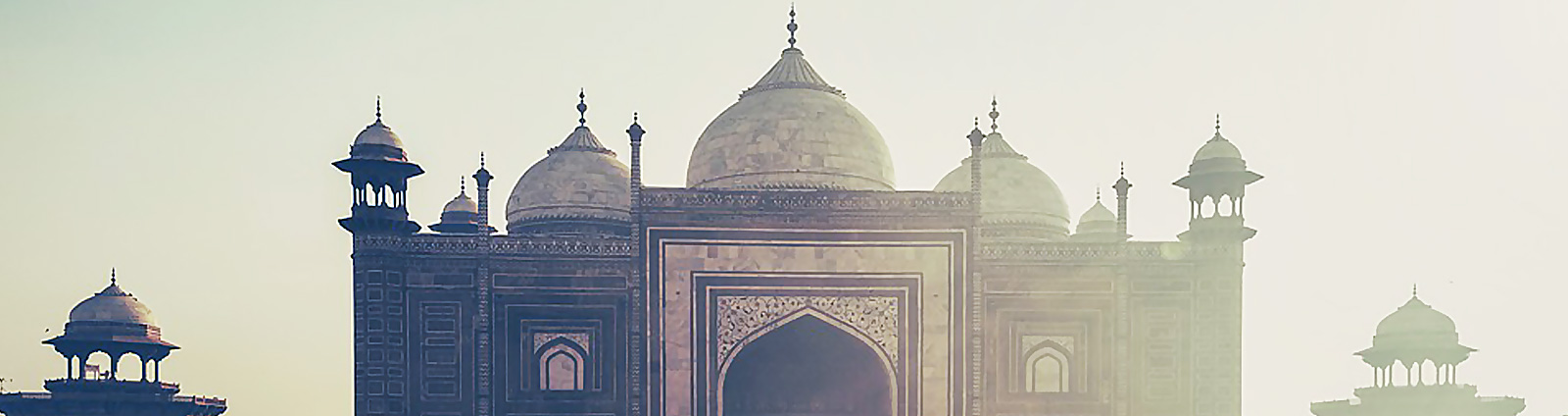

Golden Triangle Tours India: Experience Delhi, Agra & Jaipur
Discover ancient forts, the world's greatest monument of love, and the dazzling Pink City — all in one perfectly connected tour across Northern India.
The Golden Triangle Tour India is the country's most celebrated travel circuit, weaving together three thousand years of history, culture, architecture, and cuisine into one breathtaking journey through Delhi, Agra, and Jaipur.
What Is The Golden Triangle Tour India?
The Golden Triangle Tour India is a triangular travel route connecting three of India's most historically and culturally significant cities: New Delhi, Agra, and Jaipur. Each city sits roughly 200 to 250 kilometres apart, forming a near-perfect triangle across the northern plains of India — which is how this iconic circuit earned its evocative name.
This is not just a tour — it is India's greatest introduction. For first-time visitors, the Golden Triangle delivers everything India is famous for in a compact, well-connected, and deeply rewarding itinerary. You will stand before the Taj Mahal as the sun rises over the Yamuna River. You will walk through the red sandstone corridors of Delhi's Mughal forts. You will ride through the pink-painted lanes of Jaipur beneath the watchful gaze of hilltop palaces. You will taste street food that has been perfected over centuries and shop in bazaars that have been trading since before most Western cities existed.
The circuit can be completed in as few as 4 days for the time-pressed traveller, or extended into a 10 to 14-day luxury journey incorporating royal Rajasthan, jungle tiger safaris, or the spiritual ghats of Varanasi. Whatever your travel style — backpacker, family, honeymooner, or luxury traveller — the Golden Triangle Tour India can be tailored to fit perfectly.
At the heart of this circuit lie six UNESCO World Heritage Sites: the Red Fort, Qutub Minar, and Humayun's Tomb in Delhi; the Taj Mahal and Agra Fort in Agra; and Jantar Mantar in Jaipur. No other tour route in India concentrates this much world-class heritage into such an accessible and well-serviced journey.
The Three Cities Of The Golden Triangle
Delhi — India's Capital of Contrasts
New Delhi is one of the world's great capital cities — a layered, sprawling, endlessly fascinating metropolis where medieval history and modern ambition collide on every street corner.
Old Delhi, the walled city built by the Mughal Emperor Shah Jahan in the 17th century, is an assault on the senses in the best possible way. The narrow lanes of Chandni Chowk overflow with spice merchants, sweetshops, bicycle rickshaws, and street food vendors serving dishes that have barely changed in 400 years. The grand Jama Masjid — India's largest mosque — looms over the chaos, while the mighty Red Fort stands as the defining symbol of Mughal power in India.
New Delhi, built by the British as their imperial capital, offers a completely different mood: wide, tree-lined boulevards, colonial-era sandstone buildings, the soaring arch of India Gate, and the vast lawns of Rajpath stretching toward the Presidential Palace. The underground bazaars of Connaught Place buzz with modern shopping, cafés, and restaurants.
Further south, the elegant Qutub Minar complex — a soaring 73-metre tower of red sandstone and marble built in 1193 — marks the beginning of Islamic architecture in India. Nearby, Humayun's Tomb stands as the design blueprint for the Taj Mahal itself, a breathtaking precursor to what awaits in Agra.
Delhi is the start and end point of almost every Golden Triangle Tour, served by the Indira Gandhi International Airport with direct connections to over 60 countries.
Key Attractions in Delhi: Red Fort (Lal Qila) · Jama Masjid · Chandni Chowk Bazaar · Humayun's Tomb · Qutub Minar · India Gate · Lotus Temple · Akshardham Temple · National Museum · Connaught Place
Agra — Home of the Taj Mahal
Agra is one of the most visited cities on earth, and for one very specific reason: the Taj Mahal. Built between 1632 and 1653 by the Mughal Emperor Shah Jahan as an eternal monument to his beloved wife Mumtaz Mahal, the Taj Mahal is widely considered the most beautiful building ever constructed by human hands. Its perfectly symmetrical white marble dome, flanked by four slender minarets and reflected in the long ornamental pool of its formal garden, is a sight that stops every visitor completely still — no matter how many photographs they have seen.
The Taj Mahal at sunrise is a moment of rare and genuine wonder. As the light shifts from pale gold to warm amber, the pure white marble glows, shimmers, and transforms — each minute offering a different vision of the same extraordinary structure. This is why every Golden Triangle Tour India includes an early-morning Taj Mahal visit as one of its defining experiences.
Beyond the Taj, Agra rewards deeper exploration. The Agra Fort — a massive red sandstone fortress on the banks of the Yamuna — was the power centre of the Mughal Empire for generations, and contains within its walls the ornate Khas Mahal, the stunning Diwan-i-Khas, and the marble octagonal tower where the deposed Shah Jahan spent the last years of his life gazing at his greatest creation across the river.
En route from Agra to Jaipur, most Golden Triangle tours stop at Fatehpur Sikri, a perfectly preserved Mughal ghost city built in red sandstone. Abandoned just 14 years after its construction due to water shortages, it remains today exactly as its emperor left it — one of the most haunting and magnificent sights in all of India.
Key Attractions in Agra: Taj Mahal · Agra Fort · Mehtab Bagh · Itmad-ud-Daulah (Baby Taj) · Fatehpur Sikri · Chini Ka Rauza · Kinari Bazaar
Jaipur — The Pink City of Rajasthan
Jaipur, the capital of the royal state of Rajasthan, is India at its most colourful, opulent, and dramatically beautiful. Founded in 1727 by the astronomer-king Maharaja Jai Singh II, Jaipur was one of the world's first planned cities — and it was painted pink in 1876 to welcome the visiting Prince of Wales, a tradition that has been maintained ever since.
The city's defining landmark is the Amber Fort, a magnificent hilltop palace-fortress that rises above Maota Lake on the outskirts of the city. Its ornate corridors, painted ceilings, and the dazzling Sheesh Mahal (Hall of Mirrors) — where thousands of tiny mirror fragments embedded in the walls and ceiling create the illusion of stars — represent the peak of Rajput architectural achievement. The approach to Amber Fort, whether by jeep up the winding road or traditionally by decorated elephant, is one of the most cinematic experiences on the Golden Triangle Tour India.
Within the city, the City Palace is a vast royal complex that remains the residence of the Jaipur royal family to this day. Its museums display exquisite royal costumes, weapons, manuscripts, and miniature paintings. Adjacent to the City Palace stands Jantar Mantar, Jai Singh's extraordinary open-air astronomical observatory — a UNESCO World Heritage Site containing nineteen architectural astronomical instruments, including the world's largest stone sundial, accurate to within two seconds.
The Hawa Mahal, or Palace of Winds, is Jaipur's most photographed façade — a five-storey honeycomb of 953 small windows and screens through which the royal women of the zenana could observe street life without being seen. Its intricate pink sandstone lattice is one of India's most recognisable architectural signatures.
Jaipur is also one of India's premier shopping destinations, famous worldwide for its gemstones, handmade jewellery, blue pottery, block-printed textiles, and hand-stitched leather goods.
Key Attractions in Jaipur: Amber Fort · City Palace · Jantar Mantar · Hawa Mahal · Nahargarh Fort · Jaigarh Fort · Albert Hall Museum · Johari Bazaar · Bapu Bazaar · Birla Mandir
Popular Golden Triangle Packages

Beaches with Golden Triangle tour is a perfect holiday cocktail. In this package we cover some of the best cultural and historical destinations of India like Delhi, Agra and Jaipur.
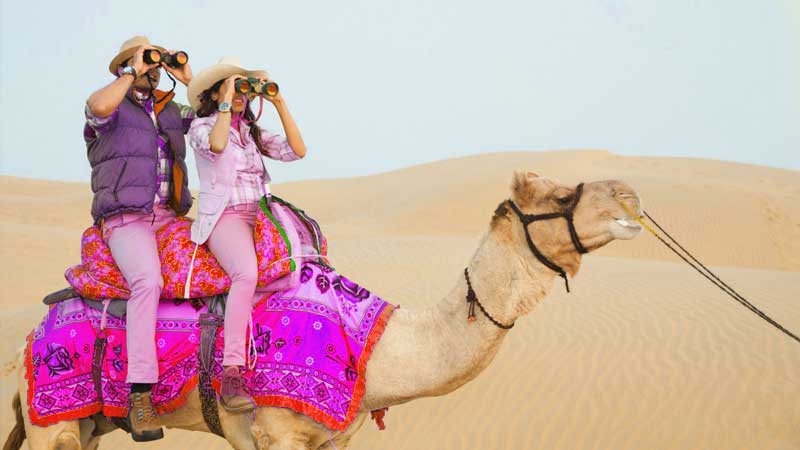
Spending a night or more under the desert sky, with so many enticements, will prove to be an experience never to forget.
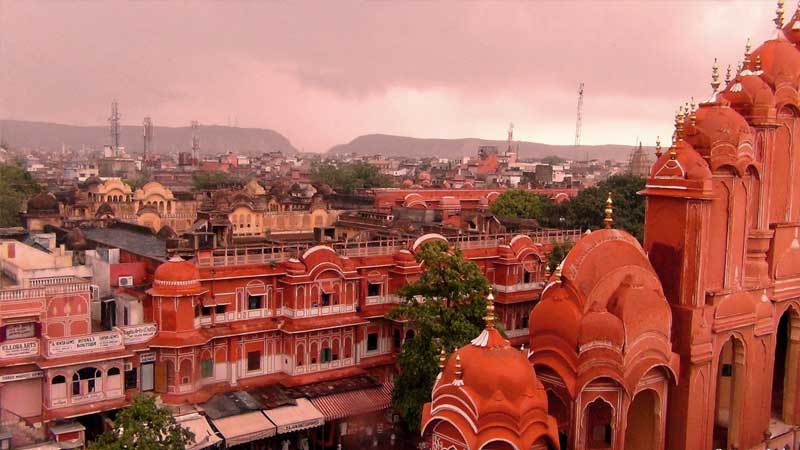
India is full of amazing culture and food. It has kept so many cultures in it but all of them are celebrated together in India.
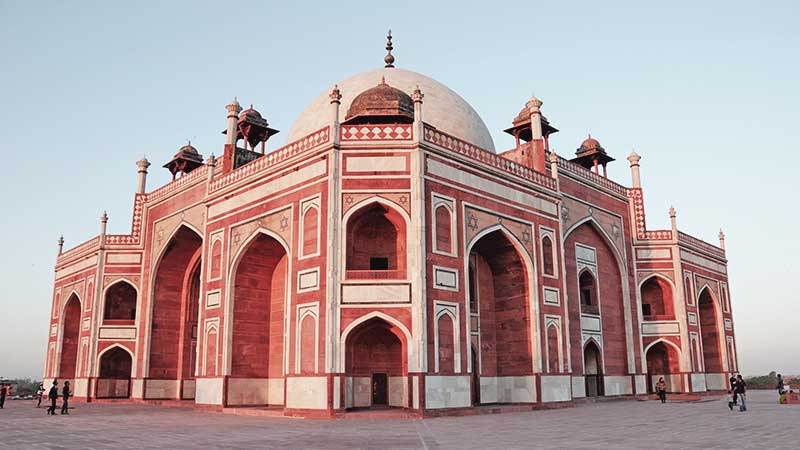
Experience the best of India’s historical and architectural highlights on this 6 day Golden Triangle Tour of Delhi, Agra and Jaipur.
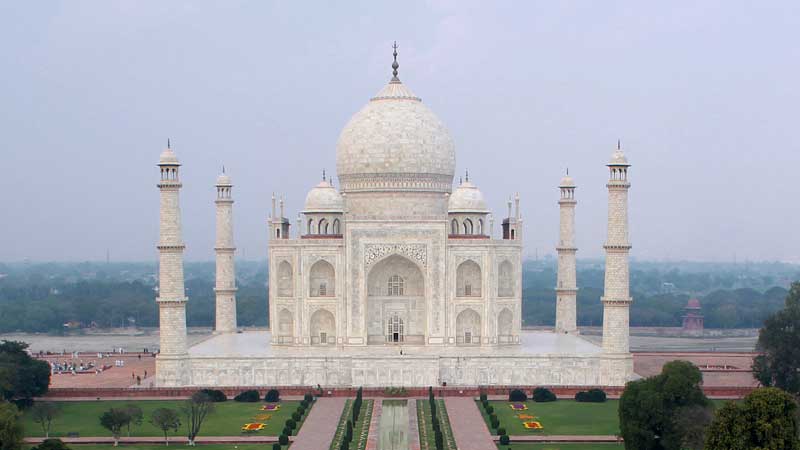
These three cities are extremely popular as tourist destinations among the foreign tourists visiting India as well as among the natives.
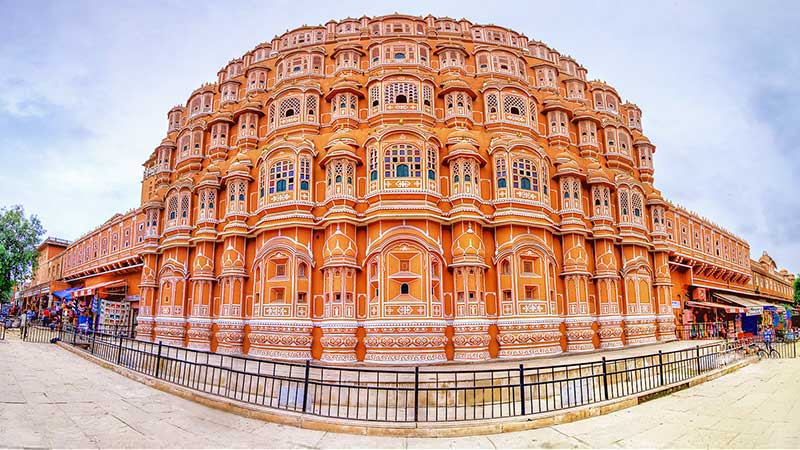
Golden Triangle is the most popular and visited circuit of India that includes cities of Delhi, Agra and Jaipur.
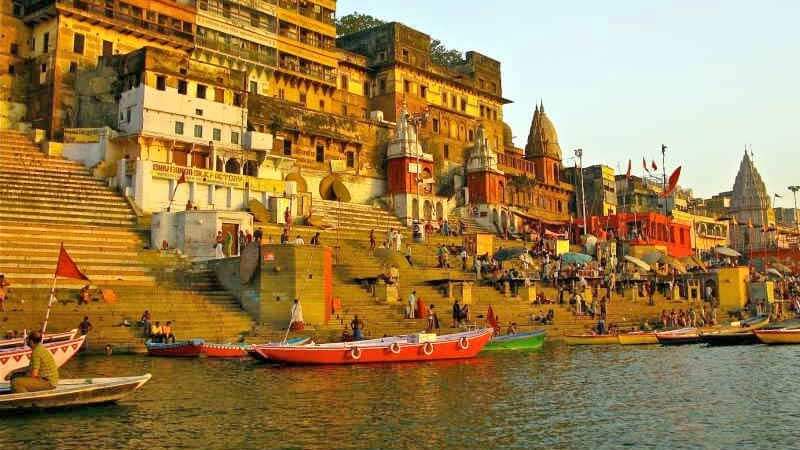
Explore Delhi, Agra, Jaipur, and the sacred city of Varanasi for an unforgettable journey of history, architecture, and spirituality.
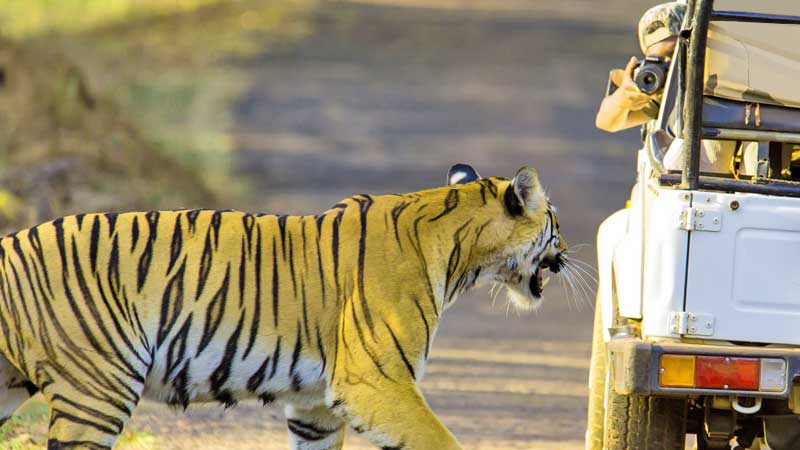
Enjoy your tiger safari in Ranthambore, Bandhavgarh and Kanha national park and experience a tryst with tiger and other wildlife species.
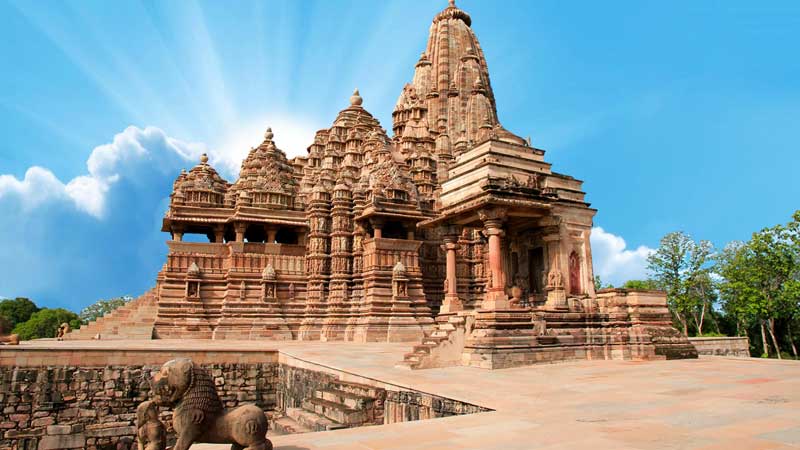
Explore best culture and monuments of Golden Triangle Tour India together with spiritual temples of Varanasi, erotic & exotic temples of Khajuraho.
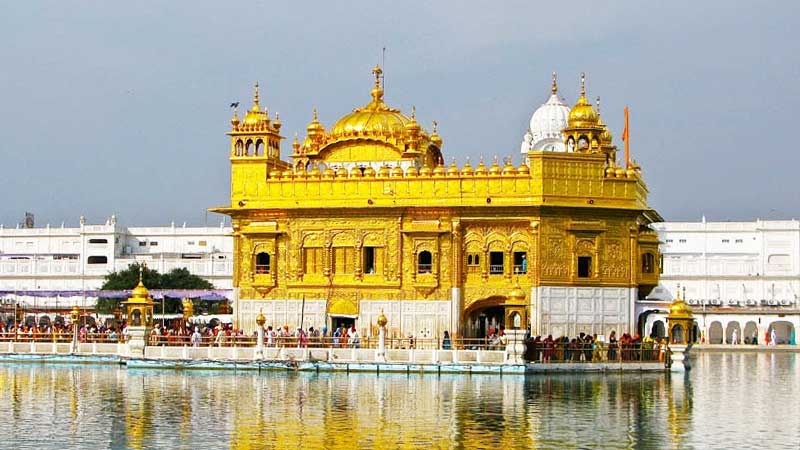
Highlight of this exclusive tour is a visit to the renowned Golden Temple, an iconic Gurudwara and the holiest shrine for Sikhs.
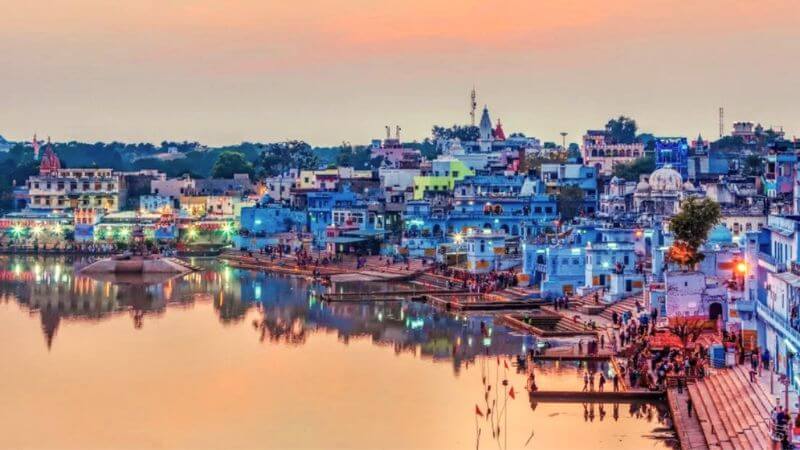
Pushkar Camel fair is one of the most loved and visited tourists spots in Rajasthan. The beautiful city is renowned for its world-famous Pushkar Fair and Lord Brahma Temple.
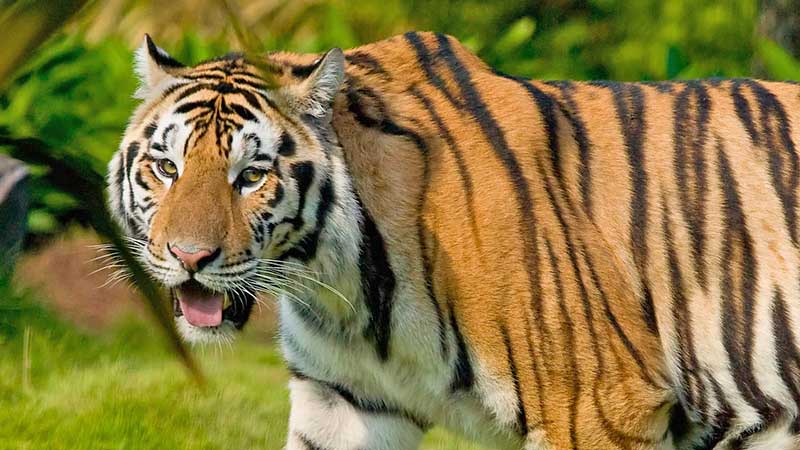
Enjoy wildlife along with culture and heritage of india. Golden trinagle and corbett tour takes you to some historical sites like taj mahal, agra fort, amer fort, hawa mahal, qutub minar and red fort including visit to first tiger reserve of india - corbett national park

India's iconic Golden Triangle tour combined with the sacred cities of Haridwar & Rishikesh. Explore Delhi, Agra, Jaipur along with spiritual retreats, holy Ganges rituals, and yoga in Rishikesh.

Golden Triangle with Ayodhya & Varanasi offers a unique mix of culture and spirituality. Visit the Taj Mahal, Jaipur’s palaces, Ayodhya’s holy temples, and Varanasi’s sacred ghats in one tour.
Best Time To Visit For A Golden Triangle Tour India
Choosing the right time to travel can dramatically transform the quality of your Golden Triangle Tour experience.
October to March — Peak Season (Highly Recommended)
This is the absolute best time to undertake a Golden Triangle Tour India. Temperatures are comfortable and pleasant across all three cities, typically ranging from 8°C at night to 25°C during the day. The skies are clear and blue, making for outstanding photography — particularly at the Taj Mahal, where the white marble looks its most luminous under winter sunshine. December and January are the coolest months and may require a light jacket for evenings.
Festivals during this period include Diwali (October/November) — the spectacular Festival of Lights — and Holi (February/March), the world-famous Festival of Colours. Experiencing either festival on a Golden Triangle Tour elevates the journey to something truly unforgettable.
April to June — Summer Season (For Hardy Travellers)
Temperatures across the Golden Triangle rise steeply from April onward, reaching 42°C to 47°C in May and June. Sightseeing is best done in the very early morning and late afternoon. Crowds are significantly thinner than in peak season, hotels offer excellent discounts, and the Taj Mahal and Agra Fort can feel almost private in the early morning hours. If you visit in summer, plan all outdoor activities before 10am and after 4pm.
July to September — Monsoon Season
The Southwest Monsoon brings heavy rainfall to Delhi and Jaipur from July through September. Temperatures are lower than in summer, the countryside turns dramatically green, and hotel rates drop to their lowest point of the year. The Taj Mahal surrounded by monsoon mist is a hauntingly beautiful sight unlike any other season. Be prepared for occasional monument closures and flooded roads. An ideal time for photographic and adventure travellers.
The single best months for a Golden Triangle Tour India: October, November, and February — warm days, cool evenings, clear skies, and manageable crowds.
Practical Travel Information
How to Get Around on the Golden Triangle Tour India
By Private Car (Most Popular) The majority of Golden Triangle Tour India packages use a private air-conditioned car with a dedicated driver for the full duration. This offers maximum flexibility — you stop when you want, photograph what you want, and travel at your own pace. The roads between Delhi, Agra, and Jaipur are well-maintained expressways (NH 44 and NH 48), making journey times predictable.
Delhi to Agra: approximately 3.5 to 4 hours by road Agra to Jaipur: approximately 4.5 to 5.5 hours by road (via Fatehpur Sikri) Jaipur to Delhi: approximately 5 hours by road
By Train India's train network is excellent and connects all three Golden Triangle cities efficiently. The Gatimaan Express is India's fastest train, connecting Delhi and Agra in just 1 hour 40 minutes. The Shatabdi Express connects Delhi and Jaipur in approximately 4.5 hours. Trains offer a wonderful cultural experience and are highly recommended for at least one leg of the journey.
By Domestic Flight Jaipur has a busy domestic airport with frequent flights to Delhi (45 minutes) and direct connections to other major Indian cities. Flying one leg of the journey — typically Jaipur to Delhi at the end of the tour — saves time and is widely available through Air India, IndiGo, and SpiceJet.
India Visa Information for Golden Triangle Tour
Most international visitors to India require a visa in advance of travel. India's e-Visa system makes the process straightforward — applications are completed entirely online, approval is typically received within 72 hours, and the e-Visa is valid for 30 days (tourist), 1 year, or 5 years depending on the category selected. Citizens of most countries are eligible for the Indian e-Visa. Always verify current visa requirements with the official Indian government e-Visa portal before booking.
Currency and Money on the Golden Triangle Tour
India's currency is the Indian Rupee (INR). ATMs are widely available in all three Golden Triangle cities. Credit and debit cards are accepted at major hotels, restaurants, and shops, but carry cash for entrance fees, local markets, and tips. Currency exchange is available at airports, major hotels, and authorised money changers throughout the circuit.
Health and Safety Tips
Drink only bottled or purified water throughout your Golden Triangle Tour — this applies to brushing teeth as well. Street food is generally safe when freshly cooked and hot, but exercise discretion at smaller stalls. Apply high-SPF sunscreen regardless of season, as the Indian sun is strong. Carry personal medication, basic antibiotics, and oral rehydration sachets. Travel insurance that covers medical evacuation is strongly recommended for all international visitors.
Top Tips For Your Golden Triangle Tour India
Book the Taj Mahal entry ticket in advance. The Archaeological Survey of India limits daily visitor numbers, and tickets — especially for the sunrise slot — sell out days ahead during peak season. Your tour operator should arrange this as standard.
Visit the Taj Mahal twice if time allows. Sunrise reveals the marble glowing in soft gold. Midday shows the white against a vivid blue sky. Sunset turns the dome a pale rose. Each visit is a completely different experience. If your itinerary allows, a second visit is always worthwhile.
Carry a modesty scarf. Most of the major monuments on the Golden Triangle Tour — including the Jama Masjid, the dargahs, and various temples — require visitors to cover their shoulders and sometimes their heads. A light cotton scarf or shawl takes up no space and will be used repeatedly.
Say yes to the local food. Delhi's chaat at Paranthe Wali Gali, Agra's Mughlai kebabs and petha, and Jaipur's dal baati churma are not just meals — they are an essential part of understanding these cities. Your guide will know the best spots.
Bargain respectfully in the bazaars. Bargaining is a cultural tradition in Indian markets, not an act of aggression. Start at roughly half the asking price and negotiate upward with good humour. Always agree on a price before purchasing handicrafts, gems, or textiles.
Tip your guide and driver. Both professions rely significantly on tips. A good benchmark is approximately ₹500 per day for your driver and ₹500–₹800 per day for your city guide. Tipping reflects appreciation for service that enhances your entire experience.
Golden Triangle Tour India Extensions
One of the great strengths of the Golden Triangle Tour is how naturally it connects to the rest of India's greatest destinations.
Golden Triangle with Ranthambhore Tiger Safari Add two days at Ranthambhore National Park — India's most famous tiger reserve — between Agra and Jaipur. Morning and evening jeep safaris give excellent chances of spotting the Royal Bengal Tiger in its natural habitat.
Golden Triangle with Varanasi Extend your tour with three days in Varanasi, India's holiest city on the banks of the Ganges. The ancient ghats, the Ganga Aarti ceremony at dusk, and the sunrise boat ride across the river are experiences that permanently alter one's understanding of India.
Golden Triangle with Royal Rajasthan Continue from Jaipur deeper into Rajasthan — to the blue city of Jodhpur, the romantic lakeside city of Udaipur, the golden desert dunes of Jaisalmer, and the camel fairs of Pushkar. This extended route is one of the world's great road journeys.
Golden Triangle with Kerala Fly from Jaipur or Delhi to Kochi and explore the lush backwaters, spice plantations, and palm-fringed beaches of Kerala — India's tropical south — in striking contrast to the desert grandeur of the north.
Golden Triangle with Shimla & Manali Add a Himalayan hill station escape to the classic circuit. Drive north from Delhi into the mountains to Shimla and Manali — colonial architecture, apple orchards, snow-capped peaks, and cool temperatures year-round.
Why Choose Us For Your Golden Triangle Tour India
We are not a general travel agency that sells everything. We are specialists in the Golden Triangle Tour India — a focused expertise that translates directly into a better experience for every traveller we accompany.
Certified by India's Ministry of Tourism. We are a fully licensed and government-certified tour operator. All of our guides carry official government accreditation and undergo regular training. You travel with professionals, not amateurs.
Exclusively private tours. Every Golden Triangle Tour we operate is private — your own vehicle, your own guide, your own schedule. We do not combine strangers into group tours or rush you through monuments to meet a timetable.
Fully customisable itineraries. Our packages are starting points, not rigid structures. Want to spend an extra morning at the Taj Mahal? Add a cooking class in Jaipur? Skip a monument and spend the afternoon in a local textile workshop? Every itinerary is shaped around what you actually want from your journey.
Transparent pricing with no hidden costs. The price you see includes everything listed — vehicles, guides, hotel accommodation, monument fees, and transfers. There are no surprise add-ons when you arrive.
24/7 on-trip support. Our India-based operations team is available around the clock throughout your Golden Triangle Tour. Flight delayed? Feeling unwell? Need a last-minute hotel change? We are one call away, always.
Thousands of 5-star reviews. Our travellers return home and tell their friends. Our testimonials span over 50 countries, and our average rating across TripAdvisor, Google, and travel review platforms is consistently among the highest in the industry.
Begin Your Golden Triangle Journey Today
The Golden Triangle Tour India is more than a holiday — it is an experience that changes the way you see the world. From the first sight of the Taj Mahal rising from the morning mist, to the chaos and colour of Old Delhi's bazaars, to the regal silhouette of Amber Fort against a Jaipur sunset, this journey delivers moments that stay with you for the rest of your life.
We have spent years perfecting the art of the Golden Triangle Tour. Every guide we employ is passionate about their city. Every hotel we recommend has been personally inspected. Every route has been driven, walked, and refined until it delivers the best possible experience for every traveller.
Faq About Golden Triangle Tours India
Popular Holidays Packages

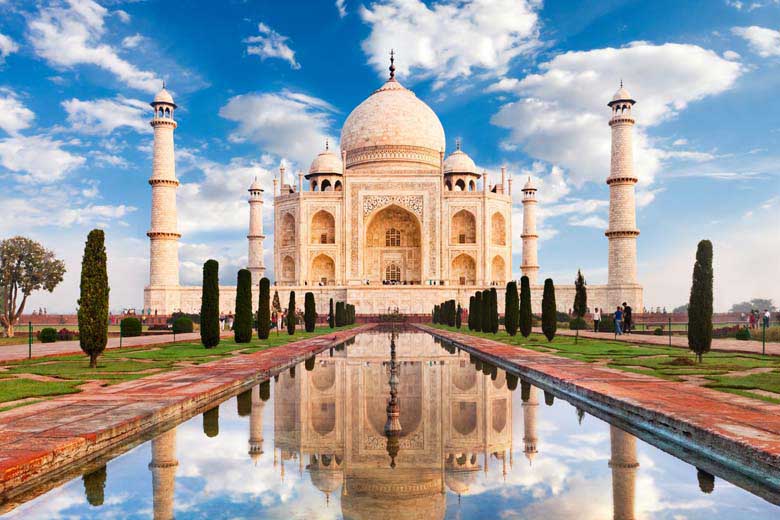
6 Nights / 7 Days
Golden Triangle Vacation Tour
India’s golden triangle is a tourist circuit which includes: Delhi, Agra (including the Taj Mahal), and Jaipur. These trips usually 7 days and do the trip as a circuit starting and ending in Delhi.
View Package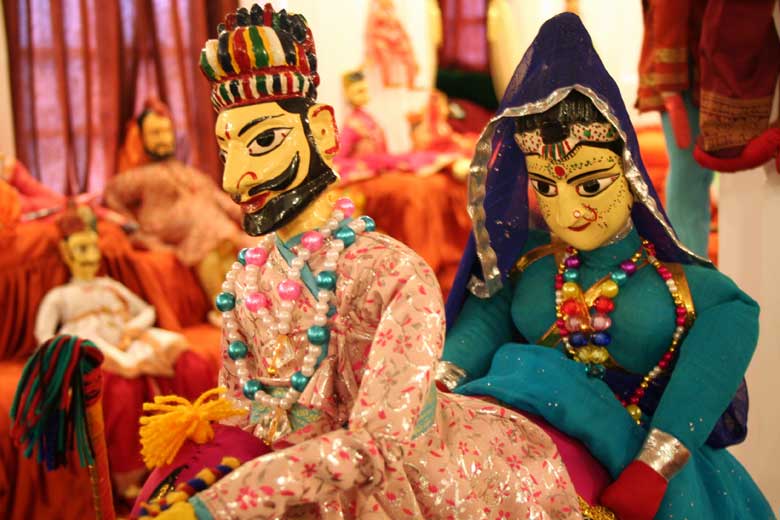
16 Nights / 17 Days
Rajasthan colorful Tour
Coloruful Rajasthan Tour is one of the most popular circuit of India. This tour package accommodates you to endure Rajasthan in all its different colors.
View Package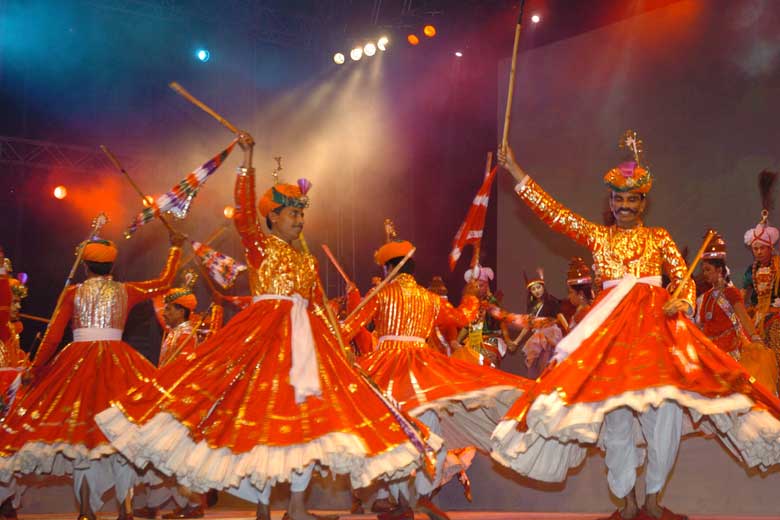
10 Nights / 11 Days
Rajasthan Cultural Tour
The Rajasthan state represents an unusual diversity in all its forms - people, culture, customs, costumes, cuisine, dialects and music and haveli's.
View Package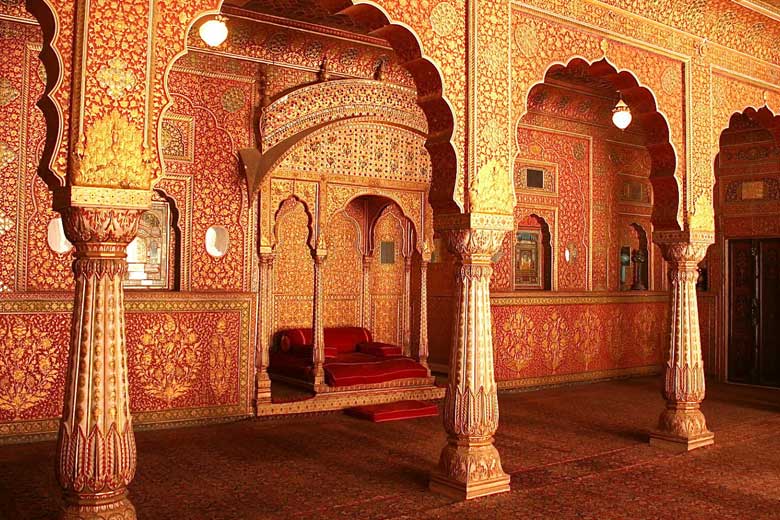
12 Nights / 13 Days
Rajasthan Fort & Palace Tour
Rajasthan is famous all over the world for its stunning forts and palaces that have been gloriously standing since decades in this princely state.
View Package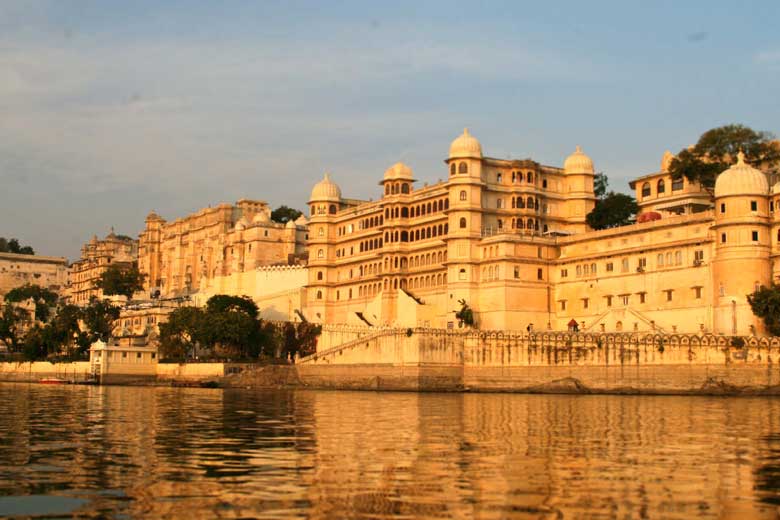
11 Nights / 12 Days
Rajasthan Heritage Tour
Rajasthan known as the "land of kings"provides some marvelous marks from the history in the form of its forts, palaces, mansions and haveli's.
View Package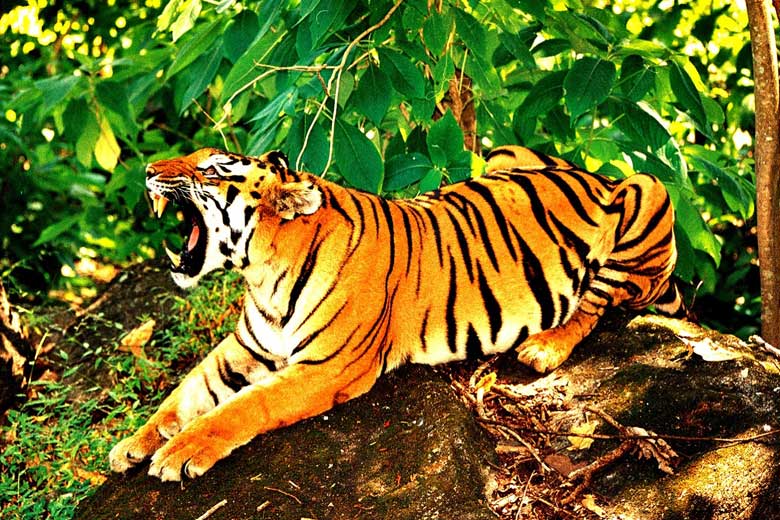
06 Nights / 07 Days
Rajasthan Wildlife Tour
The name Rajasthan has a habit of invoking the images of sun-bathed sand dunes of the Thar Desert, the rustic turban and mustache of Rajasthani men and women’s ghagra.
View PackageIndia Holidays Packages By Themes
Client's Reviews

