
Create your OWN TOUR!

-
 Gujarat Toursim
-
 IATO -
Indian Association of Tour Operators
IATO -
Indian Association of Tour Operators
 +91-9811175768


Wildlife Tours India 2026: The Complete Guide to Wildlife Safari & Tiger Safari in India
India is one of the last places on earth where you can watch a wild Bengal tiger stalk through a sal forest at dawn. With over 50 tiger reserves, 100+ national parks, and an astonishing range of ecosystems — from the Himalayan foothills to the Deccan plateau — wildlife tours India offers experiences that rival any safari destination in the world. Whether you are tracking tigers through Central India's dense jungle corridors, watching one-horned rhinos wade through Kaziranga's floodplains, or listening to a leopard cough in the Aravalli hills at dusk, India delivers wildlife encounters that stay with you for life.
This guide covers everything you need to plan the perfect wildlife safari India trip in 2026: the best national parks, how to choose the right tiger safari, what to expect on a jungle safari in India, when to visit, how to book, and insider tips that no brochure will tell you.
Why Choose India for Wildlife Safari?
India holds 75% of the world's wild tiger population. It is also home to the Asian elephant, one-horned rhinoceros, snow leopard, Indian leopard, sloth bear, wild dog (dhole), gaur, and over 1,300 species of birds. A wildlife safari India is not just about one animal — it is an immersion into an entire functioning ecosystem.
Unlike African safaris, India's tiger reserves operate a strict permit system that limits the number of vehicles per zone per day. This means your jungle safari India experience is intimate, unhurried, and often exclusive. You will not be surrounded by 30 vehicles jostling for position — you may be the only vehicle watching a tigress with her cubs for a full, uninterrupted hour.
Key reasons to book wildlife tours India in 2026:- India's tiger population has grown to over 3,600 — the highest ever recorded
- New conservation zones have opened in Madhya Pradesh and Rajasthan
- Luxury wildlife camps now operate in previously off-limits buffer zones
- The 2026 safari season (October to June) is projected to be exceptional after strong monsoon rains
Best National Parks for Wildlife Safari India
1. Ranthambore National Park – Best for First-Time Tiger Safari India
Located in Rajasthan, Ranthambore is India's most iconic tiger reserve and the easiest to visit for first-time travelers. The tigers here are famously bold and habituated to vehicles, making sighting probabilities exceptionally high. The dramatic backdrop of a 10th-century Mughal fort rising above the jungle adds a cinematic quality to every safari.
Wildlife: Bengal tiger, leopard, sloth bear, striped hyena, marsh crocodile, sambar deer
Best time: October to April (peak tiger activity)
Safari zone tip: Zones 1–5 offer the best tiger sightings; book 90 days in advance for peak season
2. Kanha National Park – The Heart of the Tiger Safari India Experience
Kanha in Madhya Pradesh is the inspiration behind Rudyard Kipling's The Jungle Book. Its sweeping meadows — called maidans — are perfectly designed by nature for wildlife viewing. Barasingha (hard-ground swamp deer), found almost nowhere else on earth, graze here in herds of hundreds. Kanha's tiger density is among the highest in India.
Wildlife: Bengal tiger, leopard, wild dog (dhole), barasingha, gaur, jungle cat
Best time: November to June
Safari zone tip: The Kanha and Kisli zones offer the most consistent tiger sightings
3. Bandhavgarh National Park – Highest Tiger Density in India
Bandhavgarh has the highest density of tigers of any reserve in India. The park's compact core zone means tigers are encountered regularly on almost every safari. It is the single best park in India if seeing a tiger is your absolute priority.
Wildlife: Bengal tiger, leopard, sloth bear, wild boar, chital deer, sambar
Best time: October to June
Safari zone tip: The Tala zone is the gold standard; book 3–4 months ahead for this zone
4. Jim Corbett National Park – Pioneer of Wildlife Tours India
Corbett, established in 1936, is India's oldest national park and a milestone in the history of wildlife tours India. Set in the foothills of the Kumaon Himalayas, Corbett offers not just tiger safaris but elephant safaris through riverine grasslands. The Dhikala zone — a remote savanna accessible only to overnight guests — is one of the most spectacular wildlife experiences in all of Asia.
Wildlife: Bengal tiger, Asian elephant, leopard, king cobra, gharial, hog deer, fishing cat
Best time: November to June (Dhikala zone closes in the monsoon)
Safari zone tip: Stay inside the park at Dhikala Forest Rest House for the most exclusive experience
5. Tadoba Andhari Tiger Reserve – The Emerging Star of Tiger Safari India
Maharashtra's Tadoba has emerged as one of the most productive tiger reserves in India. The tigresses here, particularly the Telia lake females, are spectacularly habituated and frequently seen in open areas near water. Tadoba is increasingly the choice of serious wildlife photographers doing wildlife safari India for the second or third time.
Wildlife: Bengal tiger, leopard, gaur, sloth bear, Indian python, flying squirrel
Best time: March to June (summer heat drives tigers to water holes)
Safari zone tip: The Moharli and Tadoba zones offer afternoon safaris when light is perfect for photography
6. Kaziranga National Park – Beyond Tiger Safari: India's UNESCO Heritage
Kaziranga in Assam is the place to come for the one-horned rhinoceros — the park holds two-thirds of the world's entire population. It is also one of the finest bird destinations in Asia, with wild buffalo herds and a thriving tiger population. Elephant-back safaris at dawn through the tall grasslands are one of the most extraordinary wildlife experiences available anywhere.
Wildlife: One-horned rhinoceros, Bengal tiger, Asian elephant, swamp deer, wild buffalo, hoolock gibbon
Best time: November to April (park closes during monsoon, June to October)
7. Pench National Park – The Original Jungle Book Landscape
Pench straddles Madhya Pradesh and Maharashtra and is widely regarded as the most atmospheric of India's central Indian parks. The teak forests, winding Pench river, and open water bodies create landscape variety that makes every jungle safari India here feel like an adventure. Pench is also significantly less crowded than Kanha and Bandhavgarh, offering more intimate experiences.
Wildlife: Bengal tiger, leopard, wild dog, gaur, wolf, Indian giant squirrel
Best time: November to May
Types of Wildlife Safari India Packages
Classic Tiger Safari India Tours (5–10 Days)
The most popular format for wildlife tours India combines 2–3 national parks into a single itinerary, typically covering Central India's "Tiger Triangle" of Kanha, Bandhavgarh, and Pench, or a Rajasthan circuit combining Ranthambore with the golden dunes of the Thar Desert. These itineraries include morning and afternoon safaris in open jeeps, expert naturalist guides, and comfortable jungle lodges.
Typical inclusions: Airport transfers, accommodation at safari lodges, all safaris, park entry fees, naturalist guide, select meals
Luxury Wildlife Safari India (7–14 Days)
India now has some of the finest wildlife lodges in Asia, rivaling anything in East Africa. Properties like Taj Safari lodges, Evolve Back, and boutique tented camps in Bandhavgarh buffer zones offer pool villas, private guides, gourmet dining, and exclusive safari zones accessible only to lodge guests. A luxury tiger safari India experience combines world-class hospitality with uncompromised wildlife access.
Photographic Wildlife Safari India
India is arguably the best country in the world for wildlife photography. The combination of excellent light, cooperative tigers, and beautiful landscapes makes it a dream destination for photographers. Photographic wildlife safari India tours use customized vehicles with gyroscopic camera mounts, beanbag supports, and are led by naturalist-photographers who know where to position for the best shots.
Wildlife Camps & Fixed Departure Safari Tours
Fixed departure wildlife tours India packages operate on set dates and are ideal for solo travelers or couples who prefer joining a small group. These tours typically carry 6–8 guests maximum and offer excellent value without sacrificing quality. Group sizes are small enough that every guest gets full naturalist attention and front-row safari access.
India Big 5 Wildlife Safari
India has its own "Big 5": Bengal tiger, one-horned rhinoceros, Asian elephant, snow leopard, and Indian leopard. A grand wildlife safari India tour covering multiple ecosystems — Central India for tigers, Kaziranga for rhinos, Corbett for elephants, and Ladakh for snow leopards — is achievable in 18–21 days and represents one of the world's great natural history expeditions.
Book Your Wildlife Safari India Tour for 2026
India's tiger reserves are experiencing a golden era of conservation. Tiger numbers are at their highest point in a century. New safari zones are opening. The lodges are better than ever. And the experiences — a tigress carrying a cub across a forest track at first light, a wild dog pack hunting sambar in the meadow, a one-horned rhino emerging from the mist at Kaziranga — are beyond anything a photograph can convey.
Wildlife tours India in 2026 represent not just a holiday, but a witness to one of the great conservation triumphs of our time. Book early. The best permits and lodge rooms fill up fast.
WILDLIFE IN INDIA

A wildlife retreat, where history and nature meet, Bandhavgarh is not too far away from Kanha. Set amidst the Vindhyan ranges, the Park has a series of ridges running through it. Initially just 105.40 sq. km. in area, Bandhavgarh with 25 resident tigers, was noted for its high density tiger population. Today, it has been extended to an area of 437 sq. km. s

A wildlife retreat, where history and nature meet, Bandhavgarh is not too far away from Kanha. Set amidst the Vindhyan ranges, the Park has a series of ridges running through it. Initially just

Nestling in the foothills of the Himalayas, the Corbett National Park extends over an area of 520.82sq.km. Varied topography and vegetation gives Corbett a rich diversity in habitats and natural beauty. Flat valleys are interspersed with hilly ridges and the Park's rolling grasslands known as the Chaurs provide visitors with an excellent view of its inhabitants. The magnificent Ramganga River flows through the entire length of the Park and little forest streams tumble through the ravines. While dense stands of sal cloak the higher ridges, mixed deciduous forests are found throughout the Park and over 110 varieties of trees, 51 species of shrubs and over 33 kinds of bamboos and grasses are seen here.
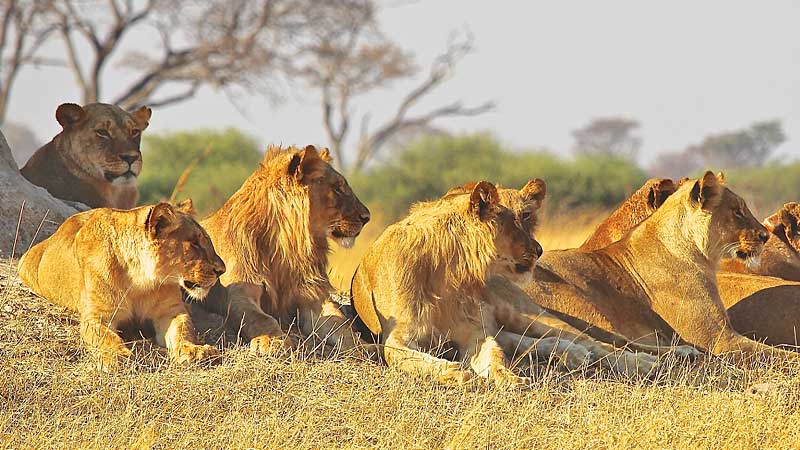
Earlier the hunting preserve of the Maharajas of Jaipur, the Park at Ranthambore was once the scene of royal hunting parties. Today, it is famous for its tigers and is one of the best places in the country to see these majestic predators in the wild.

Located in the Mandia district of Madhya Pradesh, the Kanha National Park is a Tiger Reserve that extends over 1945 sq. km. of undulating country. Elevations range from 450 to 900 meters.

Set high in the ranges of the Western Ghats, in Kerala, is the Periyar National Park and Tiger Reserve. The park has a picturesque lake at the heart of the sanctuary. Formed with the building of a dam in 1895, this reservoir meanders around the contours of the wooded hills, providing a perennial source of water for the local wildlife.

Ranthambore has large numbers of sambar, chital and nilgai. Sounders of boar and an occasional gazelle - the chinkara can be seen, as also the Indian hare, mongoose and monitor lizards.

Previously a hunting reserve of the Panna family, the area was declared a national park in 1981.The main attraction of the parks are tiger, sloth bear, wolf, chital, chinkara and samber.

Ranthambore has large numbers of sambar, chital and nilgai. Sounders of boar and an occasional gazelle - the chinkara can be seen, as also the Indian hare, mongoose and monitor lizards.

Ranthambore has large numbers of sambar, chital and nilgai. Sounders of boar and an occasional gazelle - the chinkara can be seen, as also the Indian hare, mongoose and monitor lizards.

Herds of elephant and sambar, gaur and wild pigs wander down to the lakeside and can be observed from the launches that cruise the lake. In March and April, during the driest period here, the animals spend a lot of time near the lake and the elephants can be seen bathing and swimming in the reservoir.

Experience the thrill of a tiger safari in India. Spot majestic tigers in Ranthambore, Kanha, and Bandhavgarh with our expert-guided tours.
Tiger Safari India: Everything You Need to Know
How is a Tiger Safari in India Conducted?
All tiger safaris in India's core zones are conducted in open-top 4x4 jeeps (typically Mahindra Boleros or Gypsys) with a maximum of 6 guests, a trained naturalist, and a licensed driver. The Forest Department issues a limited number of permits per zone per day — typically 10–20 vehicles — which means the jungle is never crowded.
Safari timings are fixed: morning safaris typically run from sunrise to approximately 10:30am, and afternoon safaris from around 2:30pm to sunset. The timing varies slightly by season and park.
What Are the Chances of Seeing a Tiger?
At Bandhavgarh and Ranthambore during peak season (November to April), sighting probabilities for guests doing multiple safaris over 2–3 days are extremely high — regularly exceeding 80–90%. At Kanha, Tadoba, and Pench, sighting rates are also excellent (70–85%) but require 4–6 safaris for near-certainty.
The key variable is doing enough safaris. Most experienced operators recommend a minimum of 4 safaris per park for a high probability of at least one quality tiger sighting.
What Other Wildlife Will I See on a Tiger Safari India?
Even without a tiger sighting, every tiger safari India is filled with remarkable wildlife. Alarm calls from spotted deer and langur monkeys alert you to predator presence. You'll encounter leopards lounging in trees, sloth bears digging for termites, wild dogs (dholes) on a pack hunt, gaur — the world's largest wild cattle — moving through the forest, and hundreds of bird species including Indian rollers, crested serpent eagles, and paradise flycatchers.
Is Tiger Safari India Safe?
India's tiger reserves operate under Forest Department supervision with strict protocols. All vehicles follow designated tracks. Tigers in India's core zones are habituated to safari vehicles and do not view them as threats. Thousands of international guests complete wildlife safari India tours every year without incident. Your naturalist guide is trained in animal behavior and will always position your vehicle safely.
Wildlife Tours India: Practical Planning Guide
Best Time for Wildlife Safari India
October to February: Excellent conditions across all parks. Pleasant temperatures (15–28°C), dense wildlife congregation around water sources, peak migratory bird season. Best months for a first wildlife safari India experience.
March to May: Peak tiger visibility. Summer heat (35–45°C) drives all wildlife to water holes, making sightings more predictable. The best season for serious wildlife photographers and guests who want maximum sightings. Tadoba in May is extraordinary.
June to September (Monsoon): Most core zones close. Some buffer zones and certain parks (like Kaziranga reopens in November) remain accessible. Lush, cinematic green landscapes if you visit in September when some parks reopen.
How to Book Wildlife Tours India
Book permits 90–120 days in advance for peak zones (Ranthambore Zone 2–5, Bandhavgarh Tala, Kanha Kanha Zone). Safari permits sell out months ahead during peak season.
Use a specialist operator rather than a general travel agent. Wildlife tours India require deep local knowledge — which zone to book, which naturalist is best, which lodges have the most recent tiger sighting intelligence. A general tour operator will get you a permit; a specialist operator will get you a sighting.
Book a minimum of 2 nights per park. This gives you 4 safaris (2 morning, 2 afternoon), which is the minimum for a high-probability wildlife experience.
What to Pack for Wildlife Safari India
- Neutral or earth-toned clothing (khaki, olive, brown, beige) — avoid bright colors and white
- Layers: mornings in jeeps can be cold even in summer
- Quality binoculars (8x42 or 10x42 minimum)
- Camera with telephoto lens (minimum 400mm equivalent)
- Insect repellent and sunscreen
- Refillable water bottle
- Dust mask or buff for dry season safaris on dusty tracks
Visa & Entry Requirements for India (2026)
Most international travelers can obtain an Indian e-Visa online within 3–5 working days. The tourist e-Visa is valid for 90 days from the date of first entry. Check India's official e-Visa portal for country-specific eligibility.
Wildlife Conservation & Responsible Tourism
India's wildlife tourism directly funds conservation. Park entry fees, safari permit fees, and lodge taxes flow back into the Forest Department budget that pays for anti-poaching patrols, wildlife corridors, and community programs. When you book a wildlife tour India with a responsible operator, you are actively participating in tiger conservation.
Look for operators who:
- Employ local naturalists and drivers from communities adjacent to national parks
- Strictly follow vehicle limits and distance protocols
- Support community-based conservation programs
- Do not offer baiting, call playback, or other intrusive wildlife interaction
India's tiger population has more than doubled since 2006 — from under 1,500 to over 3,600 tigers today. This is one of the greatest conservation success stories in history, made possible by tourism revenue funding protection.
FAQ About Wildlife Tours in India
Jim Corbett National Park
Bandhavgarh National Park
Kanha National Park
Ranthambore National Park
These parks are known for diverse wildlife and excellent safari experiences.
MOST POPULAR PACKAGES

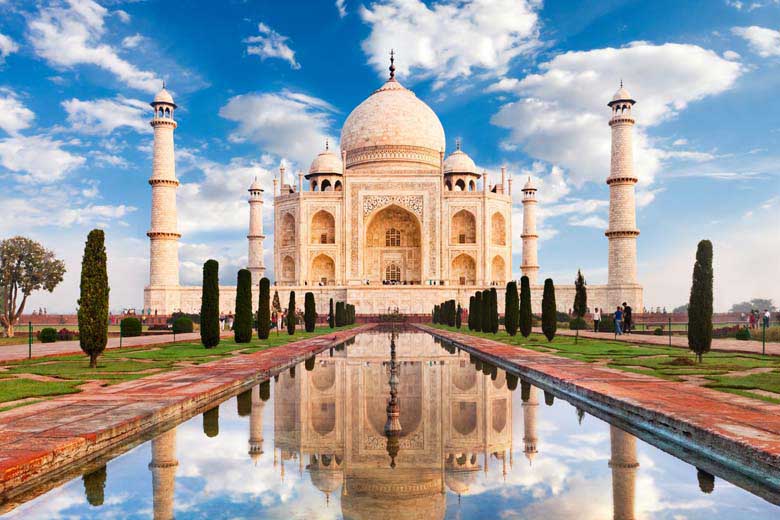
6 Nights / 7 Days
Golden Triangle Vacation Tour
India’s golden triangle is a tourist circuit which includes: Delhi, Agra (including the Taj Mahal), and Jaipur. These trips usually 7 days and do the trip as a circuit starting and ending in Delhi.
View Package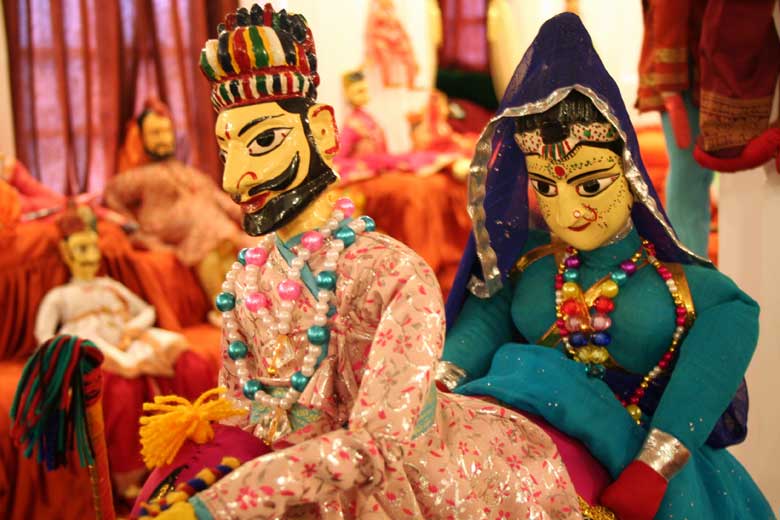
16 Nights / 17 Days
Rajasthan colorful Tour
Coloruful Rajasthan Tour is one of the most popular circuit of India. This tour package accommodates you to endure Rajasthan in all its different colors.
View Package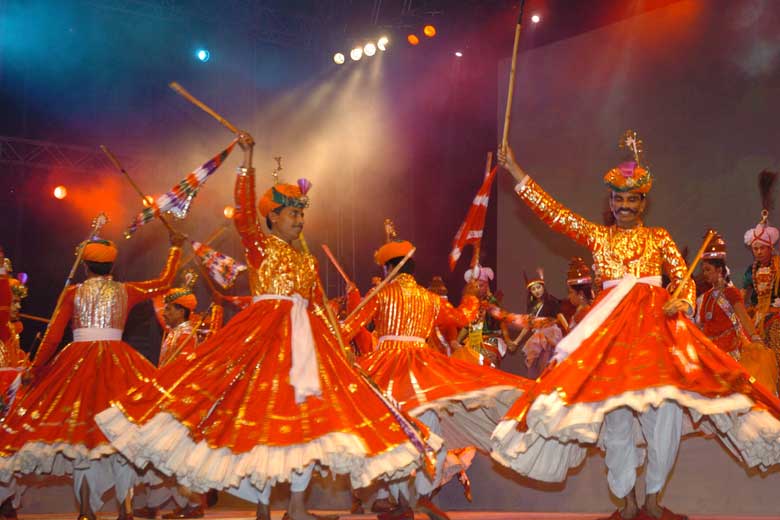
10 Nights / 11 Days
Rajasthan Cultural Tour
The Rajasthan state represents an unusual diversity in all its forms - people, culture, customs, costumes, cuisine, dialects and music and haveli's.
View Package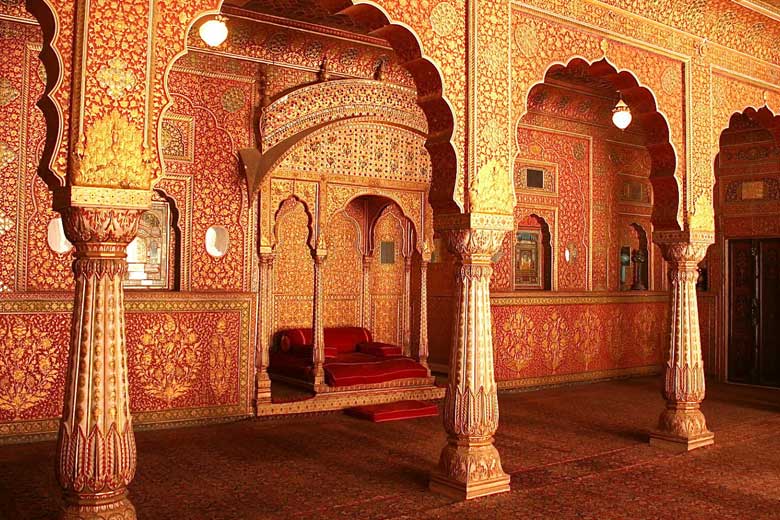
12 Nights / 13 Days
Rajasthan Fort & Palace Tour
Rajasthan is famous all over the world for its stunning forts and palaces that have been gloriously standing since decades in this princely state.
View Package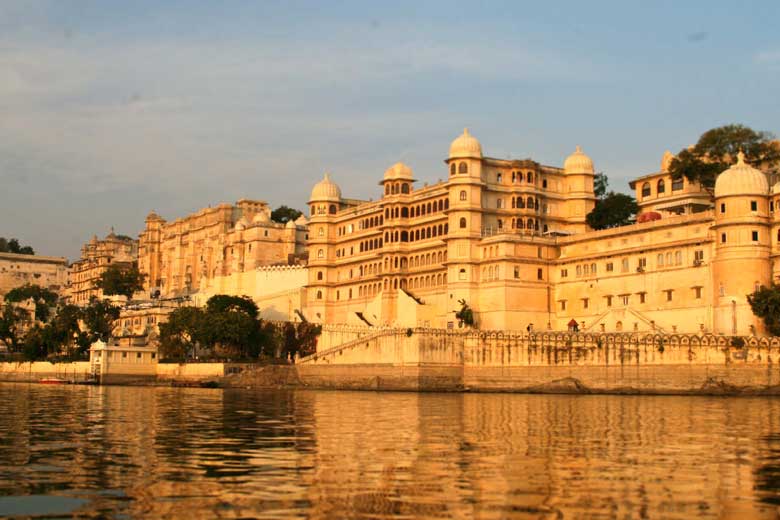
11 Nights / 12 Days
Rajasthan Heritage Tour
Rajasthan known as the "land of kings"provides some marvelous marks from the history in the form of its forts, palaces, mansions and haveli's.
View Package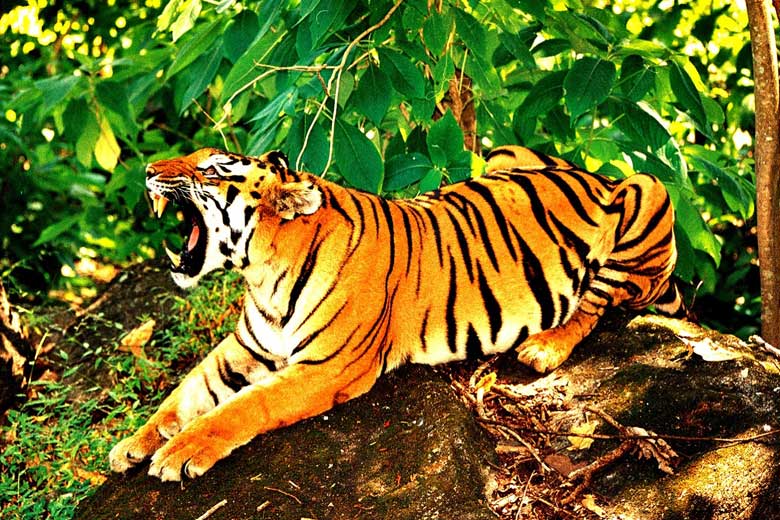
06 Nights / 07 Days
Rajasthan Wildlife Tour
The name Rajasthan has a habit of invoking the images of sun-bathed sand dunes of the Thar Desert, the rustic turban and mustache of Rajasthani men and women’s ghagra.
View PackageFind related packages
Client's Reviews

